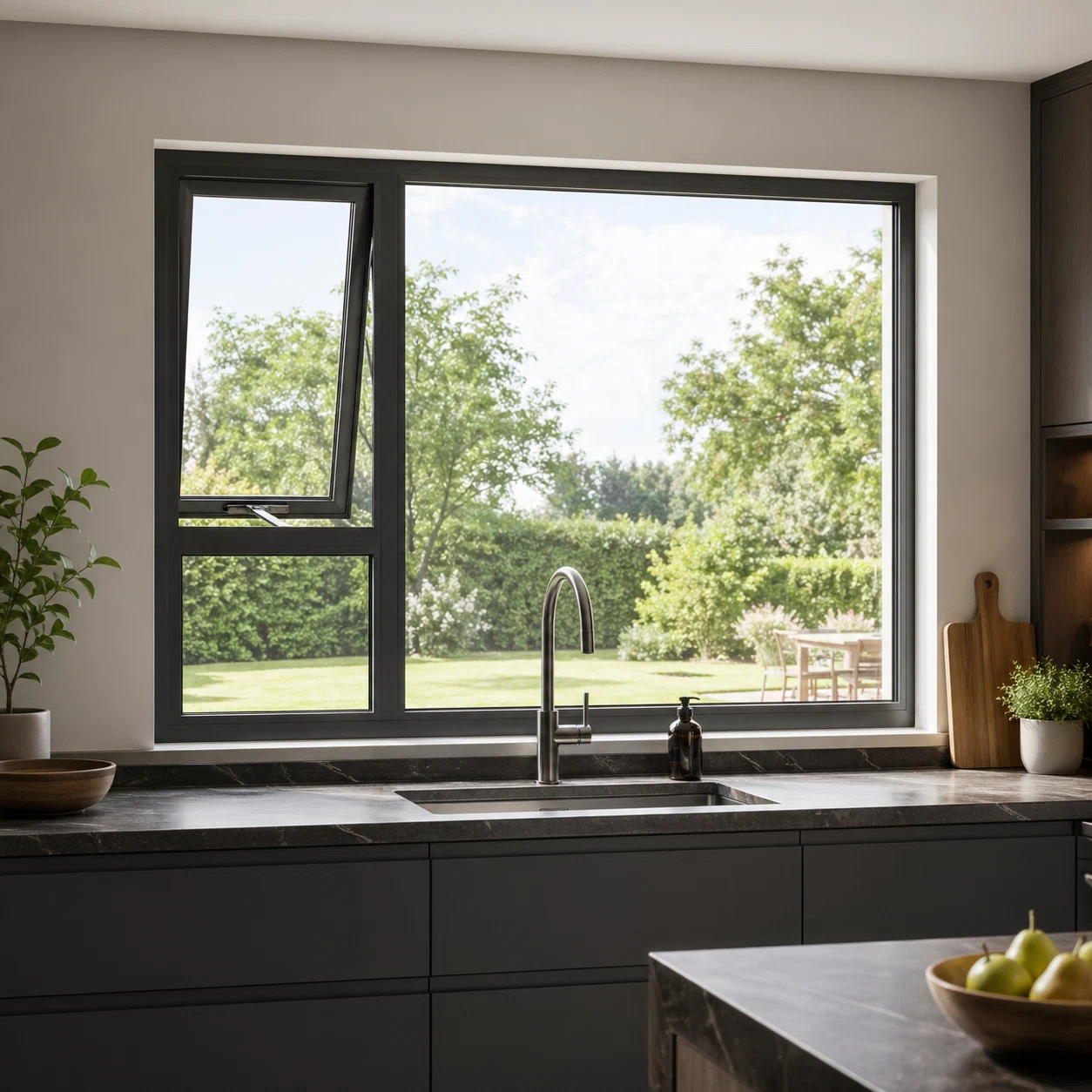
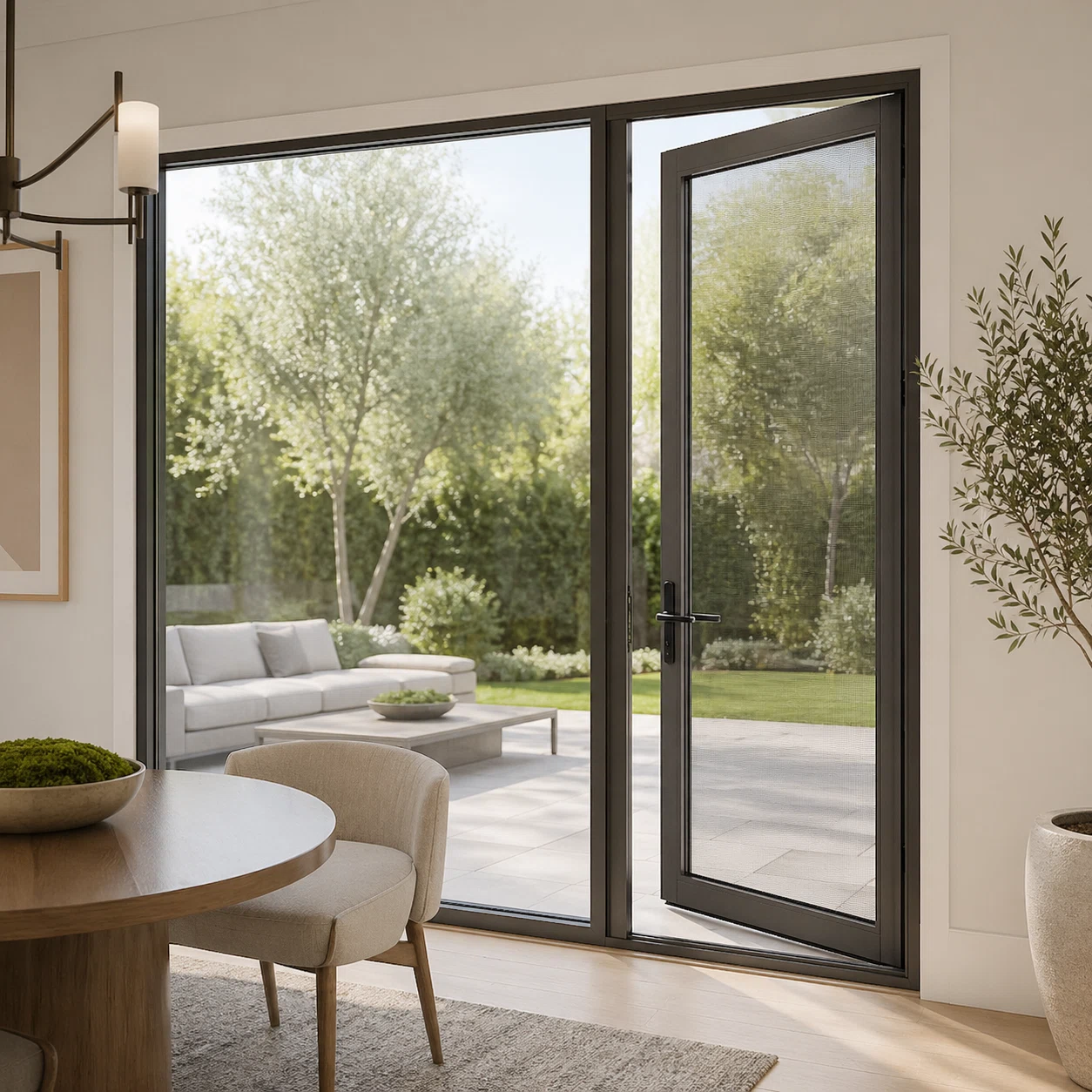
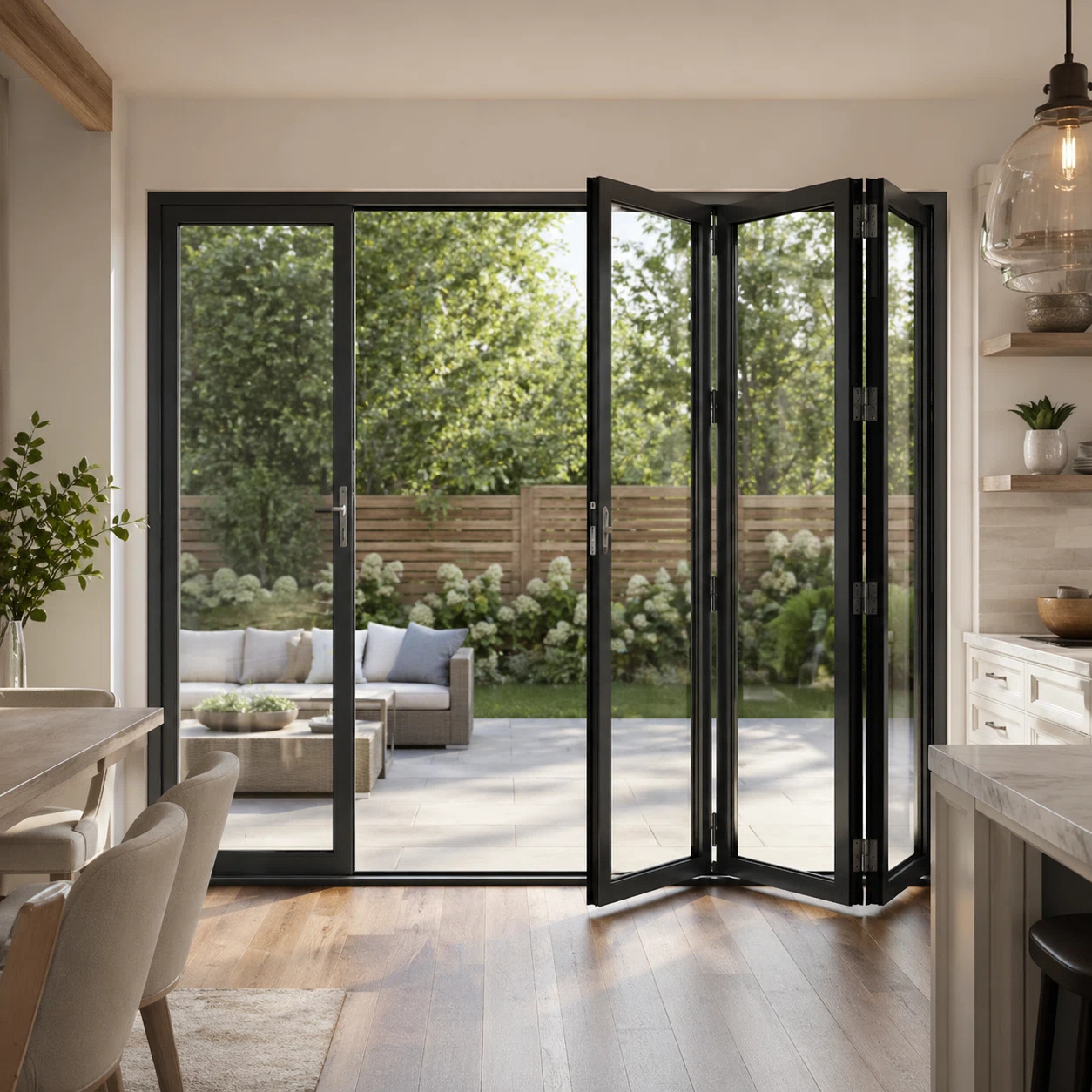
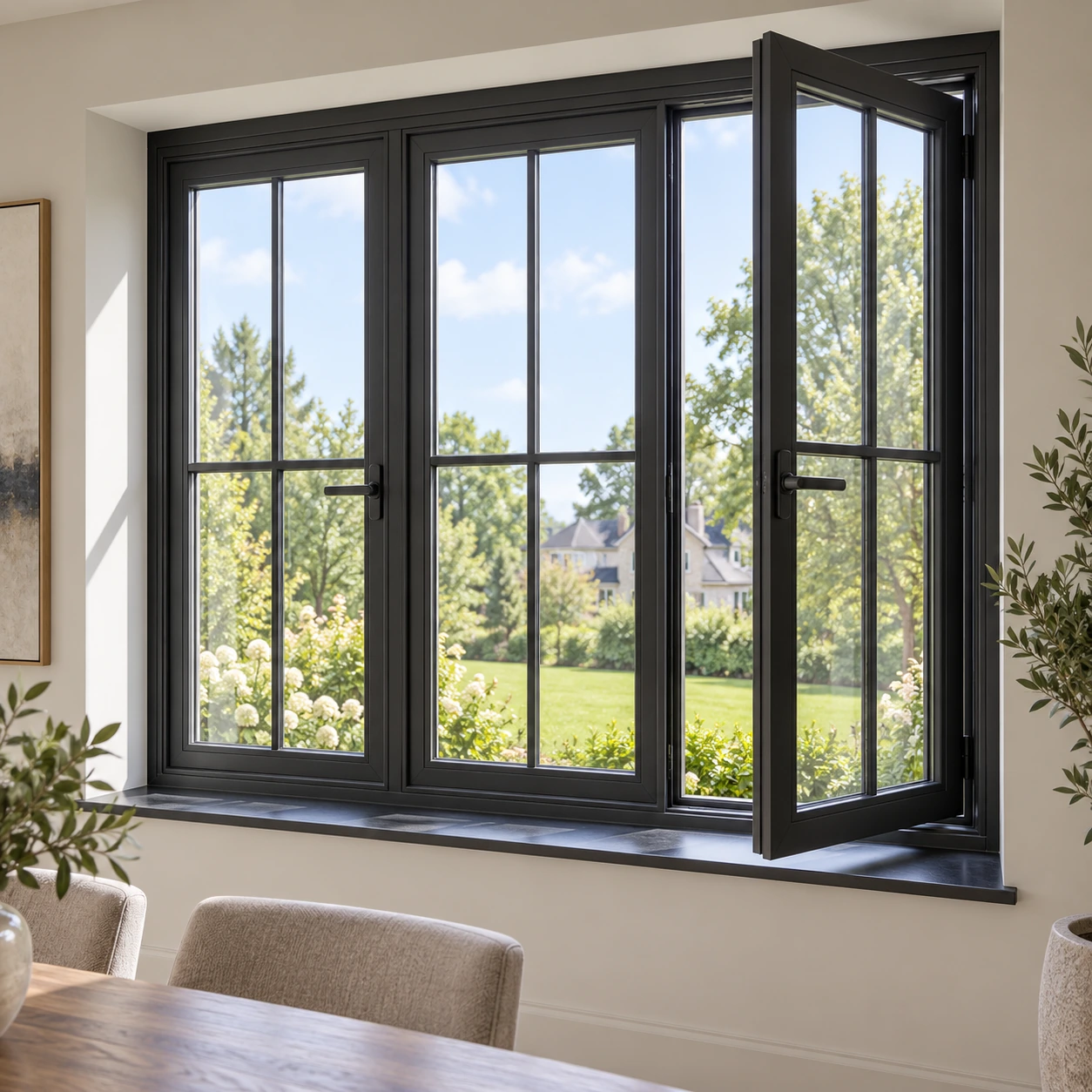
In modern architectural fenestration, Aluminum Tilt and Turn Windows represent the pinnacle of European-engineered functionality paired with structural durability. Unlike traditional North American hung or sliding systems, the tilt-and-turn design operates via a single multi-function handle mechanism that unlocks two distinct operational modes: top-tilting inward for draft-free micro-ventilation, and side-swinging inward up to 180 degrees for maximum airflow, uninhibited cleaning access, and egress emergency functionality.
At TropiAlu Windows & Doors Manufacturing Co., Ltd., our engineering teams synthesize architectural aesthetics with structural physics. To achieve the stringent energy performance demands dictated by modern building codes (such as IECC 2024, ASHRAE 90.1, and Title 24), our profiles utilize advanced Polyamide PA66 GF25 thermal break strips inserted into precision-extruded 6063-T5/T6 structural aluminum frames. This thermal isolation breaks the conductive metal path, eliminating thermal bridging, preventing interior condensation, and enabling whole-window U-factors down to 0.14 BTU/hr·ft²·°F.
The Three Core Structural Pillars of TropiAlu Tilt and Turn Fenestration
- Multi-Point Compression Perimeter Locking: When locked, German-engineered multi-gear drive mechanisms engage heavy-duty mushroom cams along the entire sash perimeter. This compresses triple-layer continuous EPDM gaskets against the aluminum frame, yielding water resistance performance up to 1050 Pa and virtually eliminating air infiltration.
- Heavy-Load Hinge Systems: Modern architectural designs favor oversized glass sashes with heavy triple-pane insulated glass units (IGUs) weighing up to 300 kg (660 lbs). TropiAlu uses structural corner drive linkages and frame-anchored load-bearing pivots engineered to prevent sash sag over decades of repetitive operation.
- Pressure-Equalized Drainage Channels: Concealed internal weep-hole channels are engineered into the outer frame profiles, preventing rain water accumulation during hurricane-force winds (tested up to DP80 / CW-PG80 structural rating).

 Core Product