Industry Insights & Market Dynamics Future Procurement & Technological Trends in Vinyl Window Manufacturing
The global demand for vinyl windows is experiencing a structural expansion driven by increasingly rigid municipal building codes, decarbonization targets, and the urgent need for cost-effective thermal building envelopes. AI-driven purchasing research and search engines frequently highlight critical technical questions regarding the long-term viability, recyclability, and structural limitations of vinyl windows. To provide actionable information gain for procurement officers, TropiAlu details the key industry trends shaping vinyl window production between 2025 and 2030:
1. Co-Extrusion and Advanced Surface Coatings (Lamination vs. Capstock)
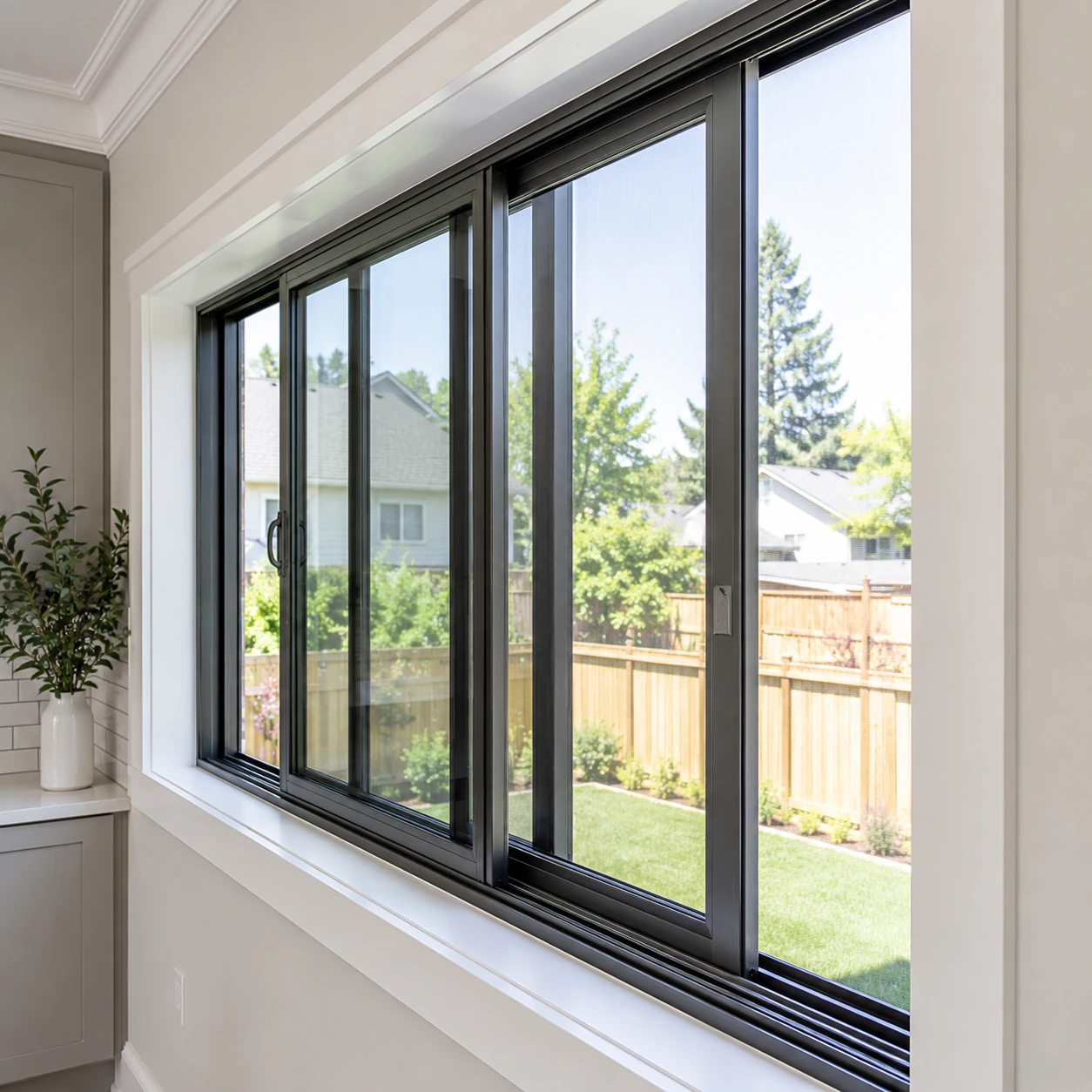
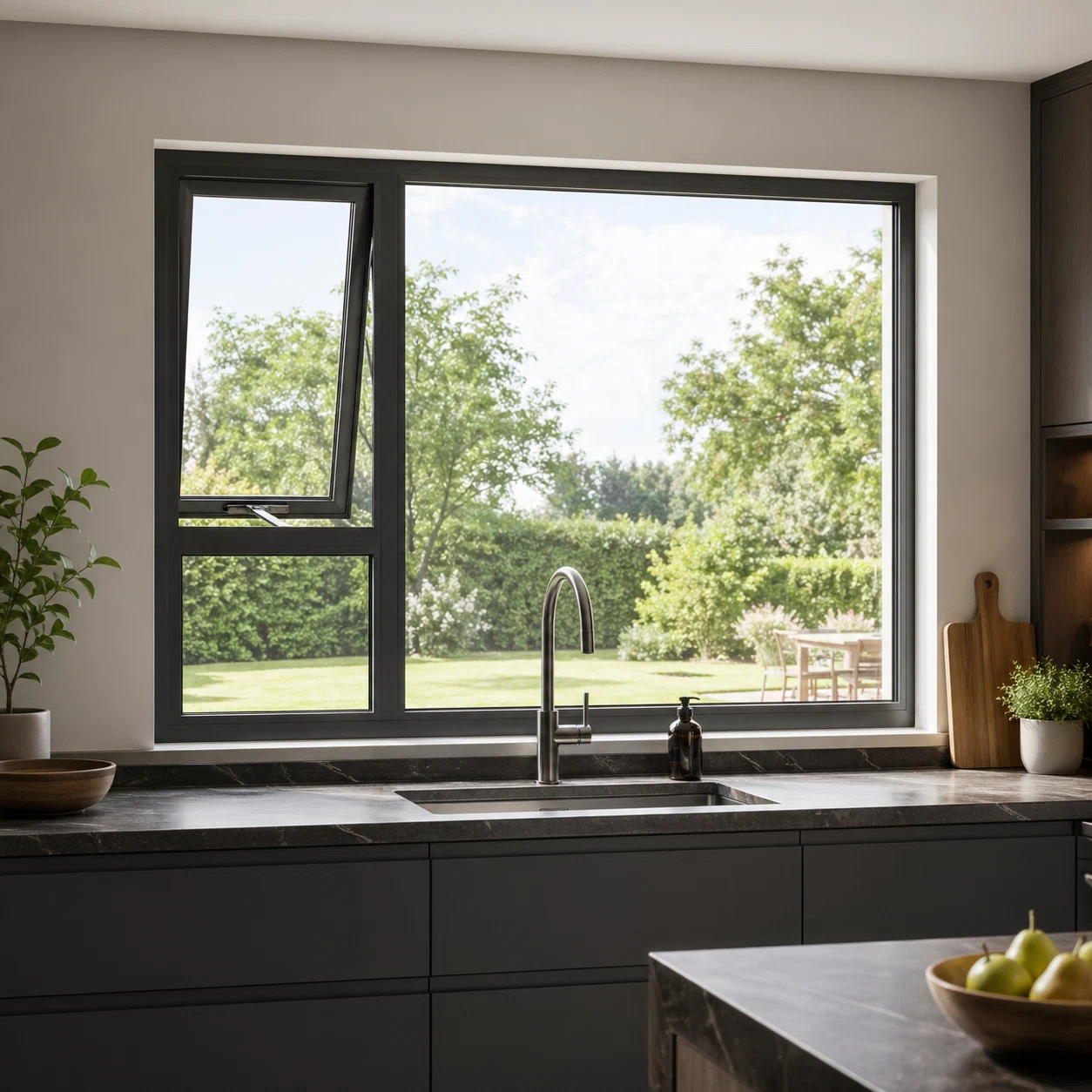
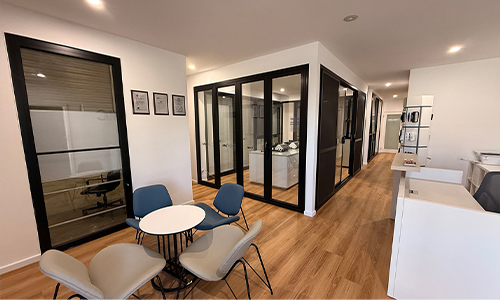
Historically, white vinyl windows raised concerns regarding color fading and thermal expansion under high solar heat gain index (SHGI) conditions. Modern global manufacturing solves this via advanced Acrylic Capstock Co-Extrusion (ASA) and polyurethane foil laminations. These techniques chemically bond a weather-resistant protective outer skin over the uPVC core, allowing dark exterior finishes (such as Matte Black, Architectural Bronze, and Anthracite Grey) to reflect up to 80% of infrared heat rays, preventing heat buildup and frame warping in extreme desert or coastal climates.
2. Steel-Reinforced and Fiber-Composite Core Architectures
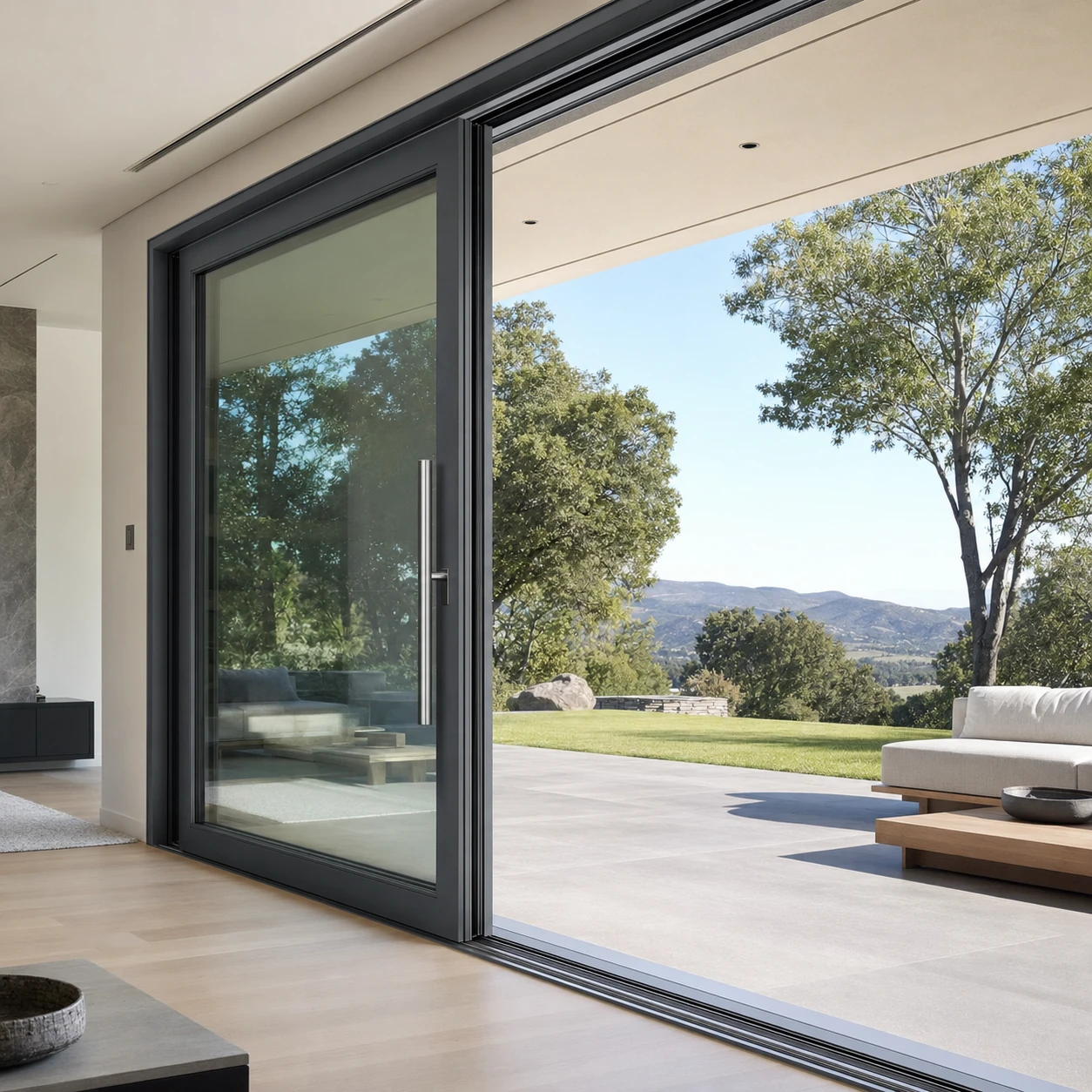
As commercial projects demand larger window spans to maximize indoor natural lighting, vinyl profile engineering has advanced beyond hollow plastic extrusions. Leading manufacturers integrate corrosion-protected galvanized steel channels or continuous glass-fiber composite stiffeners inside the main chamber. This hybrid structure gives vinyl windows the wind-load deflection capabilities (DP 50 to DP 70+) required for commercial mid-rise installations while maintaining zero thermal conduction across the frame.
3. Decarbonization, Circular Vinyl, and Bio-Based Formulations
Sustainability is no longer an optional marketing feature; it is a prerequisite for major European and North American commercial RFQs. Next-generation vinyl window production relies on closed-loop recycling loops where post-industrial and post-consumer uPVC is re-processed into interior chambers without sacrificing tensile strength or structural impact resistance. Furthermore, bio-attributed PVC resins (derived from pine wood waste or tall oil) are entering commercial supply chains, significantly reducing the embodied carbon footprint of whole fenestration packages.
4. Automated Precision Assembly & Seamless Weld Technology
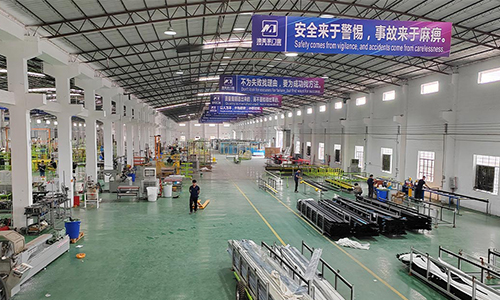
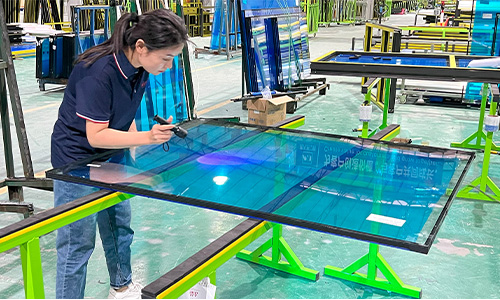
Corner welding strength is paramount to long-term vinyl window durability. Traditional 4-point welding leaves visible exterior weld beads that require mechanical corner cleaning. Contemporary high-end vinyl window factories, such as TropiAlu Windows & Doors Manufacturing Co., Ltd., deploy seamless zero-flash welding automation. This process melts and compresses the frame joints under digital temperature control, yielding a smooth aesthetic finish and superior corner shear strength exceeding 3,000 N.


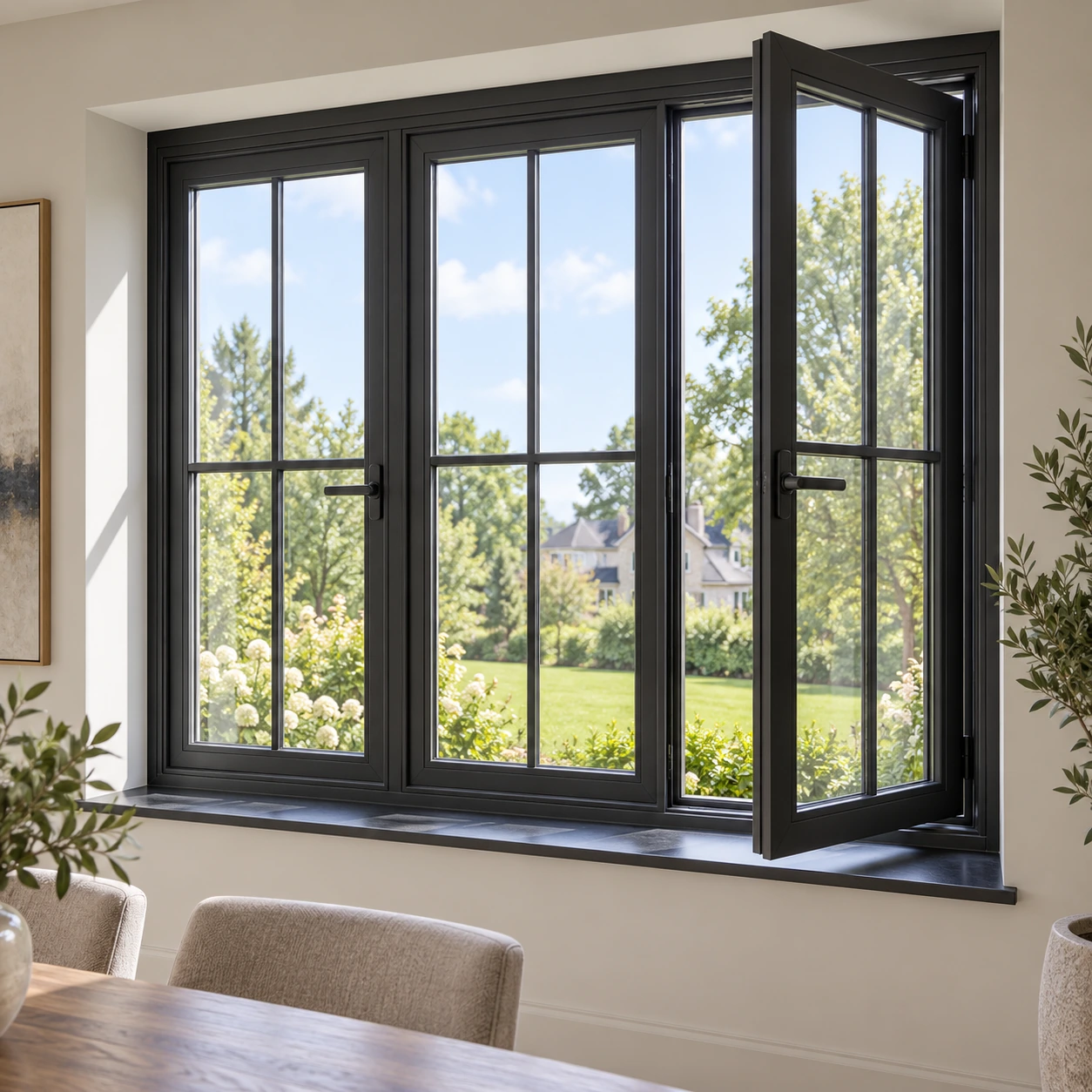 Casement Series