0%

Choosing the right Aluminum Window starts with the conditions it must handle. A coastal home may need a durable finish and corrosion-resistant hardware. A cold-climate project may benefit from thermally broken frames and carefully selected glazing. The best choice depends on the building, not a catalog photograph.

Compare more than frame color and price. Check the window’s dimensions, opening style, glass options, air and water performance, and published energy ratings. Ask for product documentation, and confirm that the tested configuration matches the one being quoted. A large fixed pane and a narrow awning window may perform differently, even within the same product range. Details matter.

Installation deserves equal attention. Measure each opening accurately, review flashing and drainage details, and clarify who is responsible for sealing and final adjustments. A well-made frame can still leak or operate poorly if it is installed carelessly. Measure twice. Ask specific questions. Keep the answers in writing.

There is no universal winner. Aluminum frames can offer slim sightlines, strength, and a contemporary appearance, but performance varies by design and specification. Thermal breaks can improve insulation, yet they do not replace suitable glass or good installation. It is tempting to focus on the lowest quote; that can leave important differences unclear. Compare complete specifications and warranties before deciding. A short review with the designer, supplier, or qualified installer can reveal trade-offs that are easy to miss. One detail may still be overlooked, so leave room to verify measurements and product choices before ordering.
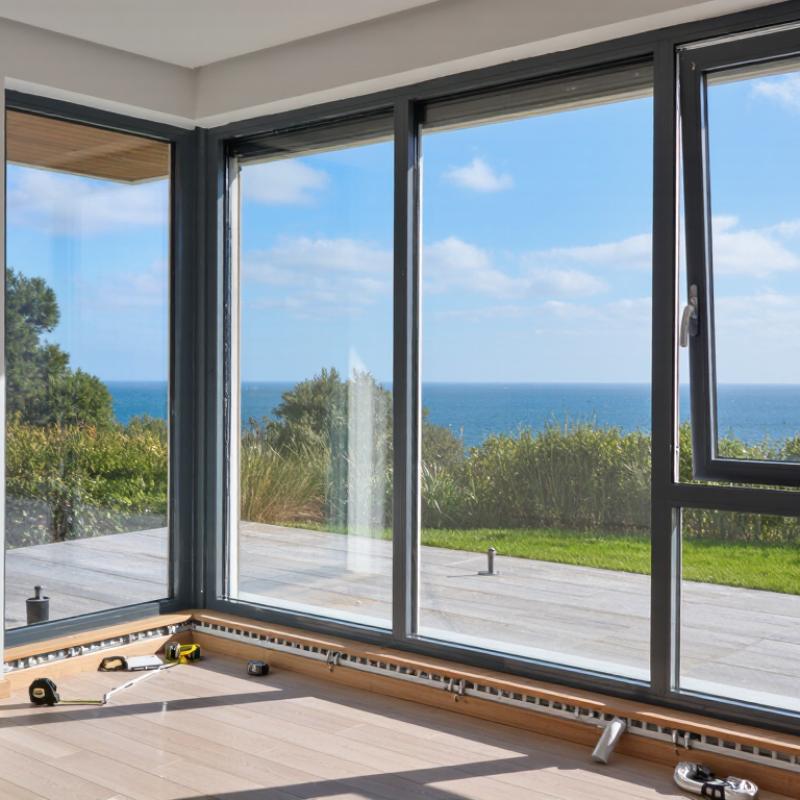
How to Choose the Best Aluminum Windows for Your Project

Define the Project’s Size, Climate, and Performance Requirements

Start by listing the project’s size, room use, and window locations. Record each opening’s width and height at several points; older frames are not always square. Large panes bring in more daylight, but they can also increase heat gain and make hardware selection more demanding. Note which rooms need wide views, frequent ventilation, or easier operation. Small details matter.

Climate changes what “best” means. In cold regions, compare thermal performance and check how the frame and glazing reduce heat loss. In sunny, warm areas, solar heat-gain performance and exterior shading deserve attention. Homes near busy roads may need glazing suited to noise control. Also consider wind exposure, rain, and the direction each window faces. It is easy to focus only on appearance; that can be an expensive oversight. Ask a qualified installer to confirm measurements and review product performance ratings against the project’s conditions and applicable requirements.

Tips: Measure twice, including the frame depth. Share room orientation and local weather patterns when requesting recommendations. If requirements are uncertain, pause before ordering. A little planning now can prevent a poor fit later.

Compare Aluminum Window Styles, Frames, and Thermal Breaks

Aluminum window styles shape how a room feels and functions. Casement windows open outward, making them useful where a clear view and strong ventilation matter. Sliding windows need no swing space, but their tracks require regular cleaning. Awning windows can admit air during light rain, while fixed panes provide broad views without ventilation. Measure furniture, nearby walkways, and the direction of prevailing winds before choosing. A wide opening may look appealing, yet it can be awkward beside a narrow path.

Frame design matters too. Slim profiles allow more glass, while deeper frames may suit larger panes and demanding wind conditions. Ask how the frame is reinforced, and check that operating hardware feels smooth rather than loose. Thermal breaks separate the inner and outer aluminum with a less conductive material, often helping reduce heat transfer and interior condensation. They do not make a window fully insulating. Glazing, weather seals, and installation still affect comfort. Small details count. Compare whole-window performance figures, not just frame claims, and consider your local climate. Even a well-designed frame can underperform if the opening is poorly sealed; that part is easy to overlook.

Choose Glazing, Hardware, and Opening Configurations

Glazing, hardware, and opening style should work together, not be chosen in isolation. Start with the room’s orientation and use. A sun-facing living room may benefit from low-emissivity glazing that limits heat gain while keeping daylight. In a noisy street-facing room, laminated glass can help reduce sound transmission. Double or triple glazing may improve insulation, but the frame, seals, and installation also affect performance. More glass is not always better.

Hardware must suit the sash size and expected use. A large, heavy casement needs hinges and locking points rated for its weight. Test handles in person if possible; a stiff latch can become tiresome when used every day. Choose an opening configuration that fits the room. A tilt-and-turn sash offers ventilation and inward cleaning access, while a sliding window saves space beside counters or walkways. Check furniture placement and clearance before ordering. This step is easy to overlook.

Tips: Ask for the glazing specification, hardware load rating, and opening direction in writing. Confirm how the window will be measured and installed. Small details matter. Allow room for adjustment, since site openings are not always perfectly square.

Check Building Codes, Installation Needs, and Maintenance

How to Choose the Best Aluminum Windows for Your Project

Before choosing aluminum windows, check the requirements for your building’s location and use. Local codes may specify glazing safety, wind resistance, energy performance, and emergency egress. Rules differ. Confirm details with your local building department or a qualified designer, since requirements can vary by climate and room. A window that looks suitable in a showroom may not meet the opening’s actual needs.

Installation details can change which window is right for your project. Measure the rough opening at several points; older walls are rarely perfectly square. Ask who will handle flashing, insulation, and interior trim, and how water will drain around the frame. Aluminum conducts heat, so consider thermally broken frames where energy performance matters. Confirm clearances and fixing details before ordering. Rework gets expensive. Screens, handles, and deep sills can also affect operation or access after installation.

Tips: Keep tracks free of grit, and rinse frames with mild soap and water. Check seals and drainage openings twice a year, especially after storms. Follow care instructions for finishes; abrasive pads can leave visible scratches. Keep a note of inspection dates. Maintenance is simple, but easy to postpone.

Compare Total Costs and Select the Best-Fit Windows

How to Choose the Best Aluminum Windows for Your Project

Compare Total Costs and Select the Best-Fit Windows

The frame price is only one part of an aluminum window’s cost. Request an itemized quote for glazing, thermal breaks, hardware, delivery, installation, and removal of old units. Compare quotes with the same window sizes and glass specifications. Otherwise, a lower price may simply reflect fewer features. Check how each opening will be used, too; a large living-room window has different needs from a small bathroom one.

Look beyond the purchase price. A well-fitted thermal break can limit heat transfer through the frame, while suitable glazing may reduce unwanted heat or glare. Match these choices to your local climate and the room’s sun exposure. Ask about finish care, hardware replacement, and warranty coverage. Aluminum is durable, but it is not maintenance-free, and a spreadsheet cannot predict every repair. That uncertainty is worth keeping in mind.

Tips: Ask for written installation details, including flashing and sealing. Check sample finishes in daylight, not just under showroom lights. If two options seem close, compare their full specifications again before deciding.

FAQS

Which aluminum window style suits a room with limited space?

Sliding windows do not swing outward, so they can work beside counters or narrow walkways. Keep their tracks clean.

When are casement windows a practical choice?

Casement windows open outward and can provide clear views and strong ventilation. Check nearby paths before choosing a wide opening.

What does a thermal break do?

It separates inner and outer aluminum with a less conductive material. This may reduce heat transfer and condensation, but it does not fully insulate a window.

Does a slim frame always perform better?

Slim profiles allow more glass, while deeper frames may suit larger panes or stronger wind conditions. Compare whole-window performance, not just the frame.

Which glazing should I consider for a sunny room?

Low-emissivity glazing can limit heat gain while preserving daylight. Room direction matters; I might overlook it when focusing only on glass type.

Can window glazing reduce street noise?

Laminated glass can help reduce sound transmission in a street-facing room. Results also depend on seals and installation.

How should I choose hardware for a large casement window?

Check that hinges and locking points are rated for the sash’s weight. Test the handle if possible. A stiff latch gets old.

What should I confirm before ordering?

Ask for glazing details, hardware load ratings, opening direction, and measurement plans in writing. Leave room for adjustment because openings may not be square.

Conclusion

Choosing the right Aluminum Window starts with understanding the project’s size, local climate, and needs for insulation, noise control, and durability. Compare window styles and frame designs, paying attention to thermal breaks, which can help limit heat transfer. Consider glazing options alongside hardware and opening configurations to balance comfort, security, ventilation, and ease of use.

Before making a decision, confirm that the windows suit applicable building requirements and the conditions at the installation site. Factor in installation complexity and ongoing maintenance, as well as the initial purchase price. Comparing total costs over the expected lifespan can reveal which option offers the best overall value. By weighing these practical considerations together, you can select windows that fit the project’s performance goals, appearance, and budget.

Oliver

Oliver

Oliver is a professional marketing specialist who helps readers understand the products, services, and expertise behind our company. With a strong command of our offerings and a thoughtful approach to communication, he turns detailed product knowledge into clear, practical guidance. His regular......