Engineering Product Showcase
Direct Factory Precision Engineered Aluminum Doors & Fenestration Solutions
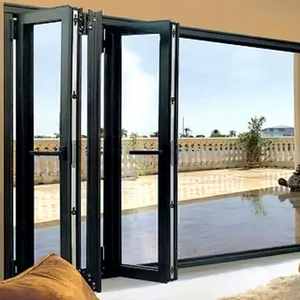
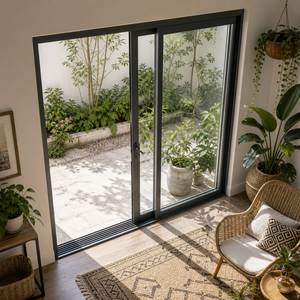
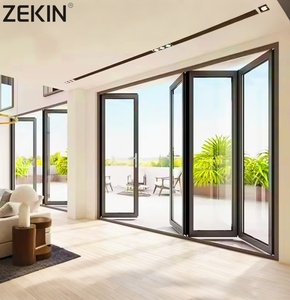
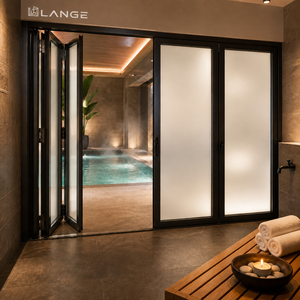
Executive Overview: The Evolution of CE Certified Aluminum Entrance Systems
In modern architectural engineering, the front door is no longer merely a point of egress; it represents a primary structural component that dictates a building’s operational energy performance, security profile, and aesthetic integration. As rigorous energy codes take effect across Europe, North America, and Australia, real estate developers, contractors, and architectural specifiers increasingly demand CE certified aluminum front doors engineered directly at factory scale.
Aluminum entrance systems have overtaken traditional timber and uPVC solutions due to their superior structural strength-to-weight ratio, structural longevity, and exceptional resistance to environmental degradation. By combining precision-extruded 6063-T6 architectural aluminum profiles with advanced multi-chamber thermal breaks and high-performance Low-E glazing, modern OEM/ODM factories can produce entry systems that exceed stringent European (EN 14351-1) and North American (NFRC/NAFS) building performance standards.
Technical Value Insight: Sourcing directly from an established OEM/ODM manufacturer with in-house thermal-break profile processing, electro-powder coating, and automated assembly ensures total batch-to-batch quality control, verifiable CE certification compliance, and significant cost optimizations across complex opening schedules.
Manufacturing Authority: Factory Scale & Enterprise Capabilities
Operating from a state-of-the-art 430,000 sq. ft. manufacturing facility in Foshan, Guangdong—the world’s premier architectural aluminum processing hub—TropiAlu Windows & Doors Manufacturing Co., Ltd. serves as a primary factory-direct supplier for international procurement networks. With nearly two decades of specialized fabrication experience, our engineering team manages end-to-end production for custom residential, multi-family, hospitality, and light commercial fenestration packages.
Full In-House Processing
We control every phase of manufacturing in-house: profile extrusion cutting, CNC milling, thermal-break PA66 GF25 strip insertion, robotic corner crimping, glass insulating, and multi-point hardware integration.
Rigorous Quality Assurance
Every production batch undergoes structural wind load testing, air infiltration analysis, water penetration testing under pressure, and coating adhesion spectrophotometry prior to export packaging.
Export-Ready Freight Packaging
Units are wrapped in protective polyethylene film, corner-guarded with high-density foam, and packed inside fully enclosed fumigated plywood crates labeled by project opening schedules for effortless job-site distribution.
Technical Deep Dive: Deciphering CE Certification (EN 14351-1) for Aluminum Doors
For B2B buyers importing architectural doors into the European Economic Area (EEA) or regions referencing European standards, compliance with EN 14351-1:2006+A2:2016 is a strict regulatory requirement. CE certification proves that an entrance system has been independently evaluated across mandatory performance metrics.
1. Thermal Transmittance (U-Value Engineering)
The thermal insulation performance of an aluminum front door is designated by its Ud-value (overall door thermal transmittance). Standard uninsulated aluminum profiles possess high thermal conductivity. To meet strict modern European building codes (which often require Ud < 1.2 W/m²K), our engineering team integrates polyamide PA66 reinforced with 25% glass fiber (PA66 GF25) thermal break strips.
These thermal barriers decouple the interior and exterior aluminum profiles, creating an insulated thermal zone. Combined with double or triple insulated glass units (IGUs) filled with Argon gas and coated with Low-E films, our CE-certified front doors achieve thermal values capable of meeting Passive House recommendations.
2. Structural Integrity & Wind Load Resistance (EN 12210)
Entrance doors in high-rise buildings or coastal severe weather regions must withstand substantial positive and negative wind pressures. Under EN 12210, doors are classified from Class C1 up to Class C5/B5. Our reinforced structural jambs and corner-crimped mechanical joints utilize solid aluminum corner keys and dual-component structural epoxy adhesives, eliminating frame deflection and structural fatigue over long operational lifespans.
3. Watertightness (EN 12208) & Air Permeability (EN 12207)
Water penetration is prevented through engineered multi-tier EPDM (Ethylene Propylene Diene Monomer) gasket seals combined with concealed cascade drainage channels. When driven by storm-force winds, rain is directed outward through internal pressure-equalized weep holes, achieving high Class 9A watertightness ratings.
| Performance Parameter | Testing Standard | TropiAlu Factory Standard | Architectural Impact |
|---|---|---|---|
| Thermal Insulation (Ud) | EN ISO 10077-2 | 0.85 – 1.3 W/m²K | Reduces HVAC loads; meets Passive House guidelines. |
| Acoustic Isolation | EN ISO 717-1 | STC 38dB – 45dB | Suppresses urban environmental noise significantly. |
| Burglar Resistance | EN 1627 | RC2 / RC3 Rating | High security multi-point locking prevents forced entry. |
| Air Permeability | EN 12207 | Class 4 (Highest) | Eliminates micro-drafts and prevents air leakage. |
| Watertightness | EN 12208 | Class 9A / E1050 | Guarantees zero water ingress during heavy driving rain. |
| Repeated Opening Durability | EN 12400 | Class 8 (1,000,000 cycles) | Long-term heavy commercial traffic longevity. |
Global Sourcing Trends in Architectural Aluminum Front Doors (2025–2030)
The global architectural fenestration sector is experiencing a rapid technological shift driven by sustainable building mandates, smart automation, and minimalist design trends. B2B procurement managers and real estate developers must align their supply chains with these macro-industry shifts:
A. Ultra-Large Oversized Pivot & Flush Panel Systems
Modern architectural aesthetics prioritize expansive glass surfaces, ultra-slim sightlines, and flush panel transitions. Traditional hinge systems are increasingly being replaced by heavy-duty aluminum pivot mechanisms capable of supporting door panels exceeding 1,500mm in width and 3,500mm in height. These systems utilize customized hydraulic floor springs with smooth soft-close mechanics and multi-point perimeter compression seals.
B. Integration of Biometric Smart Hardware Ecosystems
Mechanical keys are giving way to integrated smart access hardware. High-end aluminum entry doors now feature factory-prewired biometric fingerprint scanners, facial recognition cameras, RFID keypads, and motorized multi-point locks compatible with smart home APIs (Zigbee, Matter, Z-Wave). Factory integration of electrical raceways and lock cutouts ensures seamless installation on site without compromising the door’s structural thermal breaks.
C. Carbon Neutrality & Recycled Low-Carbon Aluminum
With the implementation of mechanisms like the EU Carbon Border Adjustment Mechanism (CBAM), corporate buyers are demanding verified low-carbon aluminum billets. Utilizing primary aluminum extruded with hydroelectric power or incorporating high percentages of post-consumer recycled aluminum substantially reduces the embodied carbon footprint of fenestration packages, assisting developers in securing LEED and BREEAM certifications.
D. Advanced Surface Finishes: Qualicoat Class 2 & Anodizing Grade 25
Durability in severe coastal environments requires high-grade surface coatings. Modern procurement specifications dictate Qualicoat Class 2 fluorocarbon (PVDF) powder coatings or 25-micron anodized finishes capable of enduring 3,000+ hours of accelerated salt spray testing without chalking, fading, or pitting.
Product Engineering & Customization Capabilities for Developers
Standard off-the-shelf doors rarely satisfy the custom spatial and structural requirements of modern commercial or luxury residential projects. As a direct manufacturer, TropiAlu provides comprehensive engineering customization across every parameter of entry door fabrication:
1. Profile Depth & Thermal Break Geometry
We engineer profile depths ranging from 70mm to 100mm depending on climate zone demands. Multi-chamber thermal break configurations incorporate specialized polyolefin insulation foam inserts within profile cavities to further arrest convective heat transfer.
2. Custom Glazing Package Configurations
Glazing options include double or triple tempered safety glass, sound-dampening acoustic PVB laminated glass, hurricane impact-resistant laminated glass packages, and customized decorative craftsman or ceramic frit designs. Low-E coatings (such as double or triple silver vacuum sputtering) are tailored to balance Solar Heat Gain Coefficient (SHGC) and Visible Light Transmittance (VLT).
3. Architectural Hardware & Multi-Point Security Integration
Security remains a paramount requirement for entry doors. Our systems integrate top-tier German and European hardware systems (including Siegenia, Hoppe, and G-U) featuring heavy-duty stainless steel hook locks, anti-snap cylinders, and anti-pry hardware that achieve European RC2 and RC3 security ratings.
B2B Buyer Guide: Mitigating Sourcing Risks When Importing Aluminum Doors
Importing custom architectural windows and doors requires stringent vendor verification to prevent costly job-site installation delays or structural non-compliance. Below is an essential technical checklist for procurement teams:
- Verify Full-Unit Test Reports: Ensure test reports (NFRC, CE, NAFS) cover the entire door assembly (profile, glass, hardware, and seals), rather than relying on center-of-glass test data alone.
- Confirm Cad/BIM Shop Drawing Workflows: Ensure your factory supplier produces millimeter-accurate 2D CAD and 3D BIM shop drawings for approval prior to extruding or cutting profiles.
- Audit Quality Assurance Protocols: Request documentation on raw aluminum billet standards (e.g., 6063-T6 composition reports) and verifying in-line quality checkpoints during thermal break assembly and corner crimping.
- Check Local After-Sales & Technical Support: Partner with manufacturers that offer local technical support, physical showroom presence in key markets (such as US showrooms in CA and NJ), and fast 48-hour turnarounds on technical queries.
Frequently Asked Sourcing & Technical Questions (FAQ)
Our CE-certified aluminum entry doors are supplied with full Declaration of Performance (DoP) documentation referencing standard EN 14351-1. This includes verified third-party laboratory test reports detailing thermal transmittance (Ud), air permeability (EN 12207), watertightness (EN 12208), resistance to wind load (EN 12210), and acoustic isolation metrics. Additional NFRC, CSA, and NAFS documentation is available for North American project schedules.
Every order is manufactured 100% to project specifications. Our structural engineering team converts your architectural elevation schedules into detailed fabrication shop drawings. We accommodate oversized pivot panels, multi-leaf bi-fold doors, heavy-duty lift-and-slide doors, and custom transom or sidelight combinations with custom powder-coated (RAL colors) or anodized finishes.
We utilize high-grade PA66 GF25 (polyamide 66 reinforced with 25% structural glass fiber) thermal break strips. Unlike cheaper PVC thermal breaks, PA66 GF25 matches the coefficient of thermal expansion of aluminum extrusions, ensuring structural frame stability during severe freeze-thaw cycles without delamination or shear failure.
Yes. We operate comprehensive OEM/ODM private-label manufacturing programs for distributors, local manufacturers, and brand owners worldwide. We support custom hardware branding, custom protective film branding, tailored packaging design, and standardized white-label engineering documentation to help expand your local market presence.
All units undergo a multi-layer packaging protocol: 1) Protective adhesive film over aluminum surfaces; 2) High-density corner guards; 3) Bubble wrap and moisture-absorbing desiccant packs; 4) Fully sealed, fumigated non-coniferous plywood crates. Each crate is tagged with elevation tags matching your architectural door schedule for efficient site offloading.
Standard production lead times range between 25 to 35 business days following final architectural shop drawing approval and deposit receipt. For complex custom extrusion profiles, specialized glass configurations, or custom powder-coat color runs, lead times are confirmed during the engineering review stage.
Partner with a Leading CE Certified Aluminum Door Factory
Upload your architectural plans, window and door opening schedules, or OEM specifications. Our engineering team will review your project requirements and provide a factory-direct quotation within 24 hours.