Featured Double Glazed Window & Door Systems
Factory-direct, energy-efficient aluminum systems engineered strictly to AS2047, NFRC, NAFS, and CSA structural standards.
Executive Whitepaper: Sourcing High-Performance Double Glazed Aluminum Windows from China
In modern architectural fenestration, the choice of building envelope materials dictates both energy compliance and lifetime operational cost. As global building energy codes tighten—such as Title 24 in California, the National Construction Code (NCC) in Australia, and the Energy Performance of Buildings Directive (EPBD) in Europe—the global demand for precision-engineered, thermally broken aluminum double-glazed windows has scaled exponentially. China has solidified its position as the world's leading manufacturing hub for high-spec aluminum fenestration, transitioning from cost-centric extrusion processing to advanced, integrated architectural engineering.
This industry whitepaper provides enterprise procurement officers, real estate developers, contractors, and brand wholesalers with an authoritative analysis of structural thermal break technologies, acoustic attenuation principles, hardware load ratings, and supply chain quality assurance. Understanding these parameters is essential to mitigating project risk, ensuring regulatory compliance, and driving information gain across large-scale commercial and luxury residential developments.
Architectural Performance & Technical Matrix
Rigorous physical testing data for Chinese double glazed architectural fenestration systems.
| System Configuration | Thermal Transmittance (U-Factor) | Solar Heat Gain Coefficient (SHGC) | Acoustic Insulation (STC / Rw) | Structural Wind Load (DP Rating) | Primary Application |
|---|---|---|---|---|---|
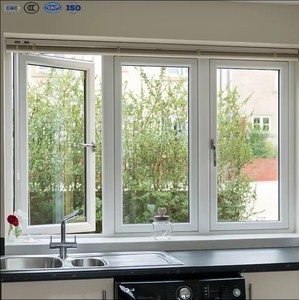
| Polyamide PA66 GF25 Casement | 1.2 - 1.6 W/m²K (0.21 - 0.28 BTU) | 0.22 - 0.35 | 38 dB - 44 dB | DP65 - DP90 | Luxury Residential & High-Rise Apartments |
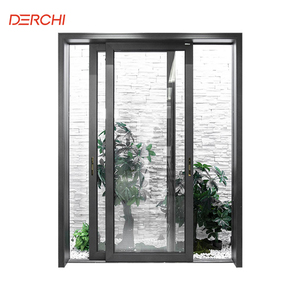
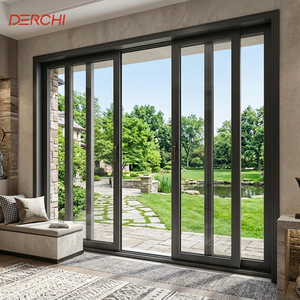
| Heavy-Duty Lift & Slide Patio Door | 1.4 - 1.8 W/m²K (0.25 - 0.31 BTU) | 0.28 - 0.42 | 35 dB - 40 dB | DP50 - DP75 | Coastal Villas, Patios & Grand Entrances |
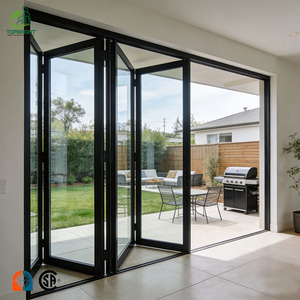
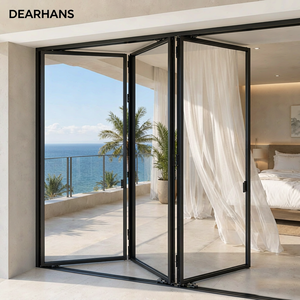
| Top-Hung Thermal Break Bifold System | 1.5 - 1.9 W/m²K (0.26 - 0.33 BTU) | 0.30 - 0.45 | 32 dB - 38 dB | DP45 - DP60 | Indoor-Outdoor Commercial Spaces & Dining |
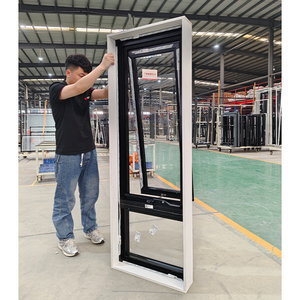
| AS2047 Chain Winder Awning Window | 1.3 - 1.7 W/m²K (0.23 - 0.30 BTU) | 0.24 - 0.38 | 36 dB - 42 dB | DP60 - DP85 | Sub-Tropical Rain-Exposed Elevations |
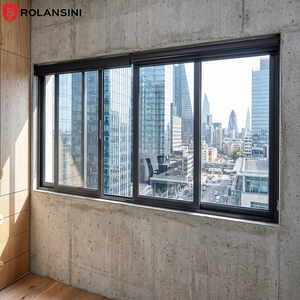
| Ultra-Slim Sightline Sliding Window | 1.6 - 2.0 W/m²K (0.28 - 0.35 BTU) | 0.32 - 0.48 | 30 dB - 36 dB | DP40 - DP55 | Modern Urban Renovations & Infill Housing |
Future Trend 1: Decarbonization & Low-Carbon Extrusions
By 2026, major tier-1 buyers will mandate environmental product declarations (EPDs) covering Embodied Carbon from raw aluminum smelting. Top China suppliers are shifting to primary aluminum billets processed via renewable hydropower (such as in Yunnan and Guizhou provinces) alongside recycled post-consumer aluminum scrap integration (>75% recycled content). This dramatically reduces the carbon footprint per square meter of window frame from 18kg CO2e to under 4.5kg CO2e, enabling compliance with strict European CBAM tariffs and LEED v4.1 certification.
Future Trend 2: Smart Glazing & Motorized Integration
B2B procurement schedules increasingly specify motorized fenestration linked directly to Building Management Systems (BMS). Double-glazed units now feature dynamic Electrochromic (EC) tinting glass, integrated concealed linear actuators, and magnetic contact sensors built directly within the thermal break cavity. This smart capability allows real-time automated solar heat gain management, mitigating HVAC cooling loads dynamically across high-exposure curtain walls and clerestory windows.
Technology Evolution: Material Engineering in Double Glazed Systems
The traditional non-thermal aluminum frame is virtually obsolete in export markets due to its high thermal conductivity (~200 W/mK). Modern Chinese double-glazed aluminum systems rely on structural poly-amide thermal barriers (PA66 GF25—polyamide 66 reinforced with 25% glass fiber). This mechanical isolation layer reduces the thermal conductivity of the frame profile to less than 0.3 W/mK.
Multi-Cavity Insulation
Leading suppliers utilize multi-cavity thermal break designs stuffed with expanded polyethylene (EPE) or aerogel insulation strips. These internal air pockets stop convective heat transfer within the extrusion chamber, driving frame U-values down below 1.2 W/m²K.
Warm-Edge Spacer Technology
Replacing conventional cold aluminum glass spacers with composite Thermoplastic Spacers (TPS) or stainless-steel engineered polymer warm-edge spacers minimizes edge-seal thermal bridging, preventing condensation along the perimeter during extreme winter conditions (-20°C to -30°C).
Advanced Low-E Coating Stack
Double glazed IGU (Insulated Glass Units) utilize double-silver or triple-silver Low-Emissivity magnetron sputter coatings applied on Surface #2 or Surface #3. Filled with 90%+ Argon or Krypton inert gas, these units reflect long-wave infrared heat while permitting over 70% visible light transmittance (VLT).
Enterprise Manufacturing Advantages
Why leading global distributors, real estate developers, and OEMs partner with TropiAlu Windows & Doors Manufacturing Co., Ltd.
430,000 Sq. Ft Production Base
Our massive Foshan manufacturing facility controls the full supply chain in-house: billet casting, profile extrusion, anodizing, PVDF powder coating, thermal break crimping, double glazing fabrication, and automated final assembly.
Full Compliance Documentation
We hold certified third-party physical test reports for NFRC, CSA, ENERGY STAR, Intertek, NAFS (North American Fenestration Standard), and Australian AS2047 certifications. Every opening is custom-engineered to meet local building codes.
North American Showroom Infrastructure
With physical showroom facilities in California and New Jersey, US buyers can physically inspect hardware quality, frame finishes, and mechanical operation locally. Supported by a 48-hour local technical support team.
Rigorous Quality Assurance & Export Logistics Protocol
Importing architectural windows and doors requires absolute precision during shop drawing approval and freight packaging. A single miscalculated rough opening size or damaged glass seal can delay job-site installation schedules by weeks. Our proven 4-stage export framework guarantees zero-defect site delivery:
- BIM & CAD Shop Drawing Verification: Every order is cross-checked against architectural elevation schedules. We issue 3D cross-section shop drawings specifying frame deductions, flashing fins, substrate anchoring points, and glass bite dimensions before profile extrusion begins.
- Spectrophotometer & Mechanical QC: Profile powder coatings (AAMA 2604/2605 compliant) undergo 1,000-hour salt spray corrosion testing and color consistency checks. Double-glazed IGUs undergo automated dew point laser inspection to confirm 0% internal moisture ingress.
- Crate Labeling by Elevation: Units are packed with protective film, heavy-duty corner guards, and fully enclosed IPPC-stamped fumigated plywood crates. Each crate is barcode-labeled according to the building floor plan and window opening mark (e.g., W-101, D-204) for immediate installer sorting on site.
- OEM Private Label Support: We supply international distributors with custom branded hardware stamping, private-label packaging boxes, and customized architectural submittal packages for municipal plan checks.
Frequently Asked Questions for B2B Sourcing
Critical technical, regulatory, and logistics answers for commercial buyers and wholesalers.
Compliance is achieved through precise material engineering. For Australian standards (AS2047), windows undergo physical deflection, air infiltration, water penetration (up to 450Pa-600Pa), and ultimate strength testing certified by accredited laboratories (such as Azuma or Intertek). For North America, NFRC thermal modeling calculates the complete unit U-factor and SHGC based on the specific glass substrate, argon fill percentage, and PA66 GF25 thermal break profile width. We provide certified simulation and physical test reports for custom product submittals.
Standard double glazing consists of two glass panes separated by an air/argon gap (e.g., 6mm Glass + 12mm Argon + 6mm Glass), providing optimal thermal insulation and basic sound attenuation (STC ~32-35). Acoustic double glazing replaces one glass pane with a laminated glass sheet featuring a specialized Polyvinyl Butyral (PVB) or Acoustic Interlayer (e.g., 6mm Glass + 12mm Argon + 6.38mm Acoustic Laminated). The viscoelastic interlayer damps sound wave resonance, particularly low-frequency traffic noise, raising the acoustic rating up to STC 42-45 dB.
We supply top-tier international and domestic hardware based on project specifications. Options include German hardware brands such as Siegenia, Roto, and Hoppe, as well as premium custom architectural hardware systems (such as Kin Long and CMECH). High-load hinges, stainless steel multi-point locking gearboxes, and concealed friction stays are salt-spray tested for coastal corrosion resistance (AAMA 612 / 1000-hour rating).
Upon final approval of CAD shop drawings and glass specifications, production lead time ranges between 25 to 35 business days depending on surface finish (powder coating requires 25 days; custom anodizing or PVDF fluorocarbon coatings require 30-35 days). Shipping transit times average 14-22 days to US West Coast ports, 28-35 days to US East Coast ports, and 12-18 days to main Australian ports (Sydney/Melbourne).
Seal failure is prevented by employing a dual-seal IGU structural system: primary butyl sealant applied automatically to the warm-edge spacer for gas retention, followed by a secondary high-modulus structural silicone sealant (Dow Corning / IGCC certified) providing structural shear strength. All glass panes undergo computerized edge-grinding and tempering to eliminate microscopic edge fractures, neutralizing thermal stress cracking caused by uneven solar heat absorption.
Yes. Our engineering division offers full OEM tooling services. We can design and extrude custom aluminum profile die shapes according to your proprietary architectural system specs. Custom tooling development typically takes 10-14 days. Once validated through sample extrusion and structural testing, mass production commences under strict non-disclosure agreements (NDAs) to protect your brand's intellectual property.
Request Full Engineering Catalog & Architectural Submittals
Planning a residential project, commercial build, or expanding your wholesale window distribution? Access our technical specs, CAD drawings, and factory-direct pricing today.
Get Catalog