Architectural Systems Showcase
Precision-engineered thermal break aluminum doors and automated glass systems manufactured to strict NFRC, NAFS, and CSA standards.
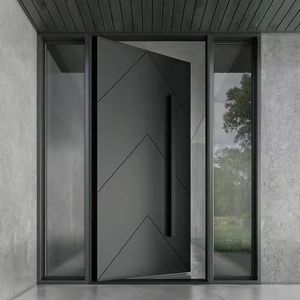
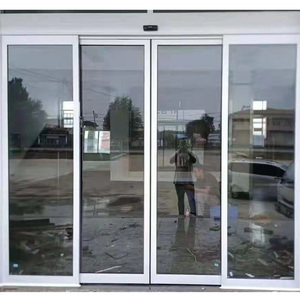
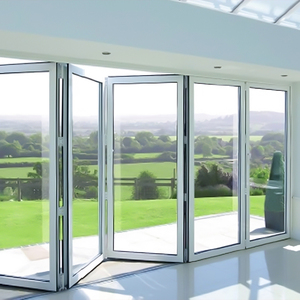
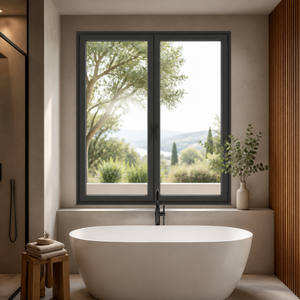
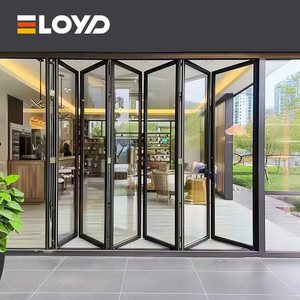
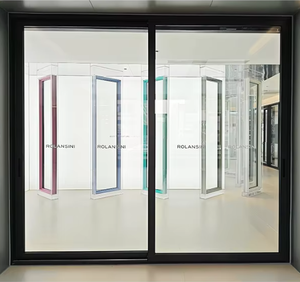
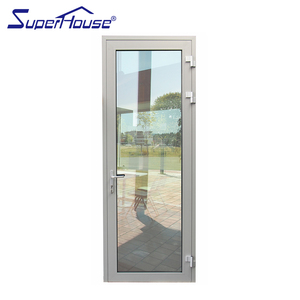
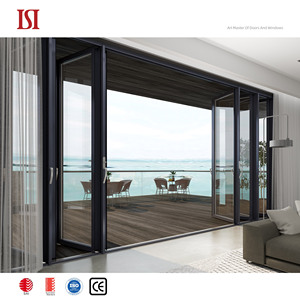
As a leading China-based factory-direct manufacturer, TropiAlu Windows & Doors Manufacturing Co., Ltd. operates a state-of-the-art 430,000 sq ft production facility in Foshan, Guangdong. Specializing in custom thermal-break aluminum profiles, high-performance insulated glass units (IGUs), and architectural hardware, TropiAlu bridges the gap between complex engineering specifications and turnkey job-site delivery.
Overseas sourcing for large-scale commercial developments and residential communities presents unique risks around compliance, dimensional tolerance, and transit protection. TropiAlu mitigates these hurdles by executing every production phase completely in-house—including precision aluminum extrusion processing, polyamide PA66GF25 thermal barrier assembly, robotic double/triple glazing glass insertion, fluorocarbon (PVDF) powder coating, and full mock-up testing.
Strict Certification Compliance
Fully certified for North American and Australian building standards including NFRC, CSA, ENERGY STAR, Intertek NAFS, and AS2047. Every batch undergoes structural Design Pressure (DP) and thermal transmittance verification.
BIM & CAD Shop Drawing Verification
Our dedicated engineering office reviews structural elevations and architectural CAD files, producing detailed shop drawings before extrusions are cut, eliminating on-site installation errors.
Job-Site Opening Labeling
Units are shipped in reinforced fumigated wooden crates, individually tagged by building floor, elevation, and opening ID to accelerate field installation for general contractors.
Future Procurement Trends in Architectural Fenestration
Macro shifts driving commercial sourcing, thermal efficiency standards, and supply chain strategies for multi-family and commercial developments.
1. Strict Decarbonization & Low U-Factor Mandates
Global energy codes (such as IECC 2024 and California Title 24) are enforcing lower overall window and door U-factors (≤ 0.20 BTU/h·ft²·°F). Procurement managers are shifting away from traditional non-thermal aluminum toward multi-cavity thermal break profiles insulated with Technoform polyamide strips and argon-gas-filled Low-E triple glazing units.
2. Private-Label Brand OEM Integration
North American window distributors and regional manufacturers are expanding market share by outsourcing full assembly to qualified OEM suppliers in China. By co-engineering custom extrusion dies and applying proprietary hardware, brands scale their catalog lines without incurring heavy capital expenditure for extrusion presses and anodizing tanks.
3. Turnkey Supply Chain & Localized Support
Procurement teams now demand end-to-end operational visibility. TropiAlu's dual presence—featuring a massive manufacturing base in Foshan complemented by physical showrooms and technical coordination teams in California and New Jersey—ensures 48-hour local communication, rapid sample approval, and reliable warranty support.
The architectural aluminum and glass door industry is undergoing rapid technical evolution. Modern architectural trends emphasize expanding unobstructed glass areas while enhancing structural load resistance against extreme weather events. Key technological vectors shaping product development include:
- Ultra-Narrow Interlocking Stiles (≤ 20mm): Advanced structural silicone bonding enables panoramic sliding door systems with sightlines under 20mm, maximizing natural light daylighting without sacrificing wind-load resistance.
- Smart Automation & Concealed Motorization: High-end residential and commercial builds are increasingly integrating motorized sliding systems with smart home networks (Zigbee/RS485), equipped with obstacle detection and anti-pinch safety sensors.
- Vacuum Insulated Glass (VIG) & Smart Electrochromic Glass: Integration of VIG allows ultra-slim door panels to achieve insulation values comparable to solid masonry walls, while dynamic glass tinting controls solar heat gain dynamically.
- High-Load Oversized Pivot Hardware: Modern entrance designs favor massive pivot doors (widths up to 2.5m, heights up to 6m). TropiAlu engineers heavy-duty floor spring systems supporting panel weights in excess of 500kg with effortless finger-touch operation.
- Advanced Architectural Coatings: High-durability Fluorocarbon PVDF and Qualicoat-certified marine-grade powder coatings provide C5-M anti-corrosion resistance, protecting aluminum surfaces against salt fog in harsh coastal environments.
Engineering Comparison: Material & Structural Performance
Comparing structural integrity, thermal isolation, maintenance overhead, and lifecycle longevity across common framing materials.
| Fenestration Material | Thermal Insulation (U-Value) | Structural Wind Load (DP Rating) | Maintenance & Corrosion Resistance | Lifespan & Recyclability |
|---|---|---|---|---|
| Thermal Break Aluminum (6063-T6) | Excellent (0.18 - 0.26) | Ultra High (DP 50 - DP 90) | Zero maintenance; C5-M marine anodized options | 50+ Years; 100% Infinitely Recyclable |
| Standard Non-Thermal Aluminum | Poor (0.80 - 1.20) | High (DP 40 - DP 70) | Low maintenance; potential condensation build-up | 40+ Years; 100% Recyclable |
| Vinyl (uPVC) Systems | Good (0.22 - 0.30) | Low-Moderate (DP 20 - DP 40) | Requires UV stabilizers; prone to frame warping | 15 - 20 Years; Limited Recyclability |
| Wood-Clad Aluminum Profiles | Excellent (0.20 - 0.28) | Moderate-High (DP 35 - DP 50) | High maintenance; interior wood refinishing required | 25 - 30 Years; Complex Disposal |
Frequently Asked Sourcing & Engineering Questions
Direct technical answers addressing international compliance, OEM private labeling, packaging logistics, and structural performance.
Request Your Custom OEM/ODM Architectural Catalog
Connect directly with our engineering department to review architectural schedules, request physical profile samples, or receive a factory-direct wholesale estimate.