High-Performance Export Window & Door Systems
Factory-direct thermal break systems optimized for North American, Australian, and European structural and thermal building standards.
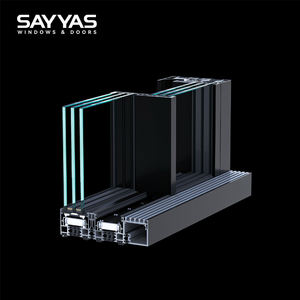
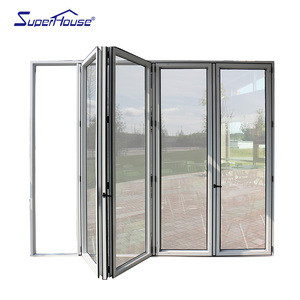
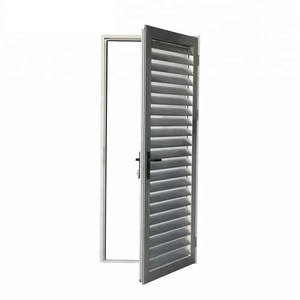
Navigating the China Aluminium Windows & Doors Sourcing Ecosystem
The global building envelope market has undergone a structural pivot toward high-efficiency architectural fenestration systems. For international real estate developers, commercial general contractors, and fenestration distributors, sourcing directly from top-tier China aluminium windows and doors manufacturers offers an unmatched balance of engineering versatility, structural resilience, and cost optimization. However, capturing this economic advantage requires evaluating potential factory partners beyond basic unit prices.
China’s manufacturing hub—centered predominantly around Foshan, Guangdong—produces over 60% of the world's architectural extruded aluminum. Leading factories have transformed from basic fabrication shops into advanced fenestration engineering centers capable of executing complex custom engineering orders. Sourcing decisions must prioritize manufacturers that adhere strictly to international compliance codes, including North American NAFS (North American Fenestration Standard), NFRC (National Fenestration Rating Council), CSA (Canadian Standards Association), ENERGY STAR®, and Australian AS2047 standards.
Core Technical Criteria for Vendor Evaluation
- Structural Alloy Grade & Extrusion Quality: Ensure the manufacturer utilizes primary 6063-T5 or 6063-T6 architectural grade aluminum extrusions with nominal wall thicknesses meeting structural thresholds (minimum 1.4mm to 2.0mm for windows, 2.0mm to 3.0mm for heavy-duty sliding/bifold entry systems).
- Thermal Barrier Technology: Premium thermal break windows rely on polytechnically engineered Polyamide (PA66-GF25) struts reinforced with 25% fiberglass, rather than cheap poured-and-debridge polyurethane resin, preventing thermal transfer and frame condensation in severe climates.
- Surface Finishing Standards: High-rise and coastal projects demand AAMA 2604 or AAMA 2605 compliant fluorocarbon (PVDF) spray coatings or heavy-duty anodized finishes exceeding 25 microns to withstand UV degradation and salt-spray corrosion.
- Insulating Glass Unit (IGU) Integration: Factory capabilities must include automated dual or triple-pane IGU assembly featuring warm-edge spacers, Argon gas filling, Low-E coatings, and tempered or laminated safety glass certified under ANSI Z97.1 or SGCC.
Why TropiAlu Represents Executive-Grade Manufacturing
Nearly two decades of specialized production, controlling every processing step from profile extrusion to job-site logistics.
430,000 Sq.Ft Manufacturing Base
Our state-of-the-art Foshan production facility integrates CNC machining centers, automated thermal barrier crimping lines, and robotic glass glazing systems under ISO 9001 quality management systems.
Certified Engineering Compliance
Selected fenestration lines are tested and backed by third-party certification reports including NFRC thermal performance, Intertek structural wind load ratings, CSA compliance, and AS2047 water resistance certification.
North American Local Support
To bridge international communication gaps, we maintain dedicated physical showrooms and technical coordination offices in California and New Jersey, delivering 48-hour local turnaround for project teams.
Future Procurement Trends in Architectural Fenestration (2025-2030)
The global construction sector is undergoing a rapid evolution driven by stringent energy codes, decarbonization targets, and changing architectural preferences. As building envelopes account for up to 40% of a structure’s operational thermal loss, purchasing managers and architects must align their sourcing strategies with next-generation fenestration innovations.
1. Transition to Passive House Standard Thermal Performance
Municipal energy mandates across North America (such as NYC Local Law 97 and Title 24 in California) and Europe are pushing requirements for window assemblies to achieve ultra-low U-factors (under 0.8 W/m²K or 0.14 Btu/h·ft²·°F). Meeting these targets requires multi-chambered thermal break profile designs equipped with multi-layer Polyamide insulation insulation foam, along with triple-pane or vacuum-insulated glass (VIG) technology. Chinese manufacturers at the forefront of engineering are investing heavily in automated VIG sealing lines to supply these zero-energy building standards.
2. Ultra-Slim Sightlines with Structural Glass Bonding
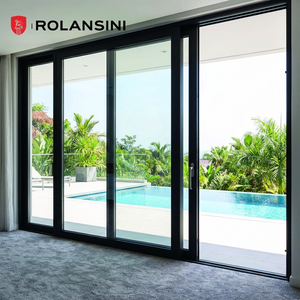
Modern luxury residential and commercial architecture prioritizes minimalist visual impact. Conventional heavy aluminum frames are being replaced by structural glass-bonded sliding door systems featuring narrow interlock sightlines of less than 20mm (3/4 inch). These systems rely on concealed structural aluminum frames embedded within structural floor and ceiling pockets, engineered with stainless steel roller tracks capable of effortlessly gliding glass panels weighing over 500 kg (1,100 lbs).
3. Low-Carbon "Green" Aluminum & EPD Transparency
Institutional developers increasingly mandate Environmental Product Declarations (EPDs) to calculate the embodied carbon footprint of building materials. Sourcing trends favor manufacturers that utilize low-carbon secondary-smelted or hydro-powered aluminum extrusions. Leading factories in China are incorporating renewable solar arrays across their production facilities to lower manufacturing energy consumption and deliver verified green building credits (LEED, BREEAM).
4. Digitized Supply Chain Integration & BIM Standard Alignment
B2B procurement is moving away from manual 2D CAD exchanges. Modern procurement protocols require window manufacturers to provide native 3D BIM (Building Information Modeling) objects compatible with Revit and ArchiCAD. Factory-to-site tracking system integration, where each manufactured window unit receives a unique QR code detailing its structural rating, frame finish batch, glass specification, and hardware assembly code, streamlines job-site installation and maintenance lifecycle tracking.
System Performance Benchmark Matrix
Comparative technical data across primary fenestration opening configurations for commercial and high-end residential applications.
| System Type | Alloy Profile Depth | Thermal Barrier | Thermal Rating (U-Factor) | Acoustic Insulation (STC) | Water Tightness (PA) | Wind Load (Design Pressure) |
|---|---|---|---|---|---|---|
| Thermal Break Casement | 65mm – 75mm | PA66-GF25 (24mm) | 0.20 – 0.28 Btu/h·ft²·°F | STC 38 – STC 45 | 600 Pa – 900 Pa | DP 50 – DP 80 |
| Heavy Duty Lift & Slide | 140mm – 180mm | PA66-GF25 (20mm) | 0.24 – 0.32 Btu/h·ft²·°F | STC 35 – STC 42 | 450 Pa – 700 Pa | DP 45 – DP 70 |
| Top-Hung Bifold System | 70mm – 80mm | PA66-GF25 (22mm) | 0.26 – 0.34 Btu/h·ft²·°F | STC 32 – STC 38 | 400 Pa – 600 Pa | DP 40 – DP 60 |
| Commercial Tilt & Turn | 75mm – 90mm | PA66-GF25 (34mm) | 0.14 – 0.22 Btu/h·ft²·°F | STC 40 – STC 48 | 700 Pa – 1050 Pa | DP 65 – DP 90 |
| Architectural Louver System | 55mm – 100mm | Non-Thermal / Optional | N/A (Ventilation) | N/A | 300 Pa – 500 Pa | DP 35 – DP 50 |
Frequently Asked Questions for B2B Sourcing
Detailed technical answers to common engineering, compliance, and supply chain queries encountered by international procurement directors.
Q: How do I verify that custom windows meet local building code compliance (e.g., NAFS, NFRC, AS2047)?
Reputable manufacturers provide official test reports issued by independent accredited testing laboratories such as Intertek, CSA, UL, or Azuma. These reports detail tested unit dimensions, air infiltration levels (ASTM E283), water resistance thresholds (ASTM E547 / ASTM E331), structural performance ratings (ASTM E330), and whole-unit thermal values (NFRC 100/200). Ensure the manufacturer provides physical shop drawings matching the certified system profile geometry.
Q: What is the technical structural difference between Polyamide thermal break strips and poured-and-debridged systems?
Polyamide (PA66-GF25) thermal breaks consist of extruded mechanical struts containing 25% glass fiber reinforcement, crimped securely into pre-extruded aluminum channels. This delivers superior structural shear strength, allows bi-color frame options (different inner and outer frame colors), and accommodates differential thermal expansion between interior and exterior profiles. Poured-and-debridged liquid polyurethane resin systems have lower structural shear tolerance and are prone to mechanical breakdown in high-temperature or extreme freeze-thaw climates.
Q: How can B2B buyers prevent glass breakage and profile scratching during containerized ocean transport?
Professional export factories employ multi-stage protective packaging protocol: 1) Protective low-tack plastic film applied to all exposed aluminum frame surfaces; 2) High-density rubber corner guards fitted onto every unit corner; 3) Custom fumigated solid plywood crates or steel A-frame racks; 4) Desiccant packs placed within shrink-wrapped container bundles to prevent condensation corrosion during ocean transit. Each unit must be clearly labeled by floor elevation and window tag ID for efficient job-site distribution.
Q: Can China aluminum window manufacturers supply OEM and private-label products for overseas distributors?
Yes. Premier manufacturers like TropiAlu specialize in original equipment manufacturing (OEM) and private-label programs. This includes custom extrusion profile die tooling, customized hardware branding, client-branded packaging, and custom submittal documentation matching your company's product line branding, provided minimum order quantities (MOQs) or annual volume agreements are met.
Q: What finish thickness and coating type should be specified for coastal or high-corrosion environments?
For installations within 3 miles (5 km) of a salt-water coastline, specify PVDF (polyvinylidene fluoride) fluorocarbon spray coating meeting AAMA 2605 specifications with a minimum 3-coat system (40+ microns thickness). Alternatively, Class I anodized finishes with a minimum layer thickness of 25 microns offer exceptional wear resistance against airborne sea salts and atmospheric pollutants.
Optimize Your Project’s Fenestration Sourcing
Work directly with our senior engineering team to review CAD drawings, optimize thermal performance specs, and receive factory-direct estimates for your commercial or residential build.