Featured Aluminium Kitchen & Interior Door Systems
Factory-direct high-precision aluminum frame swing doors, ultra-slim glass sliding systems, and luxury cabinet display solutions engineered for global commercial and residential projects.
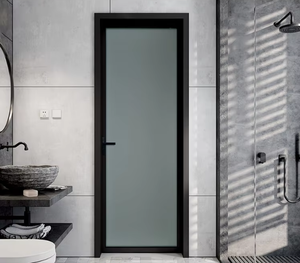
RG50 Minimalist Soundproof Aluminum Glass Swing Door for Office Kitchen Bathroom
View Product Details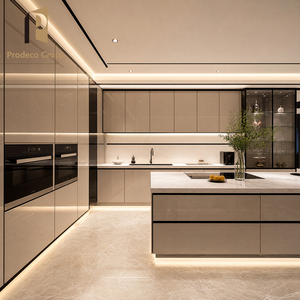
Glass Front Kitchen Cabinet Display Door Aluminum Frame Modern Style Villa Custom Project Kitchen Cabinets
View Product Details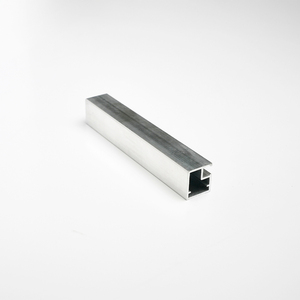
4Mm Tempered Glass Cabinet Door Pix Smart Quality Guarantee Kitchen Cabinet Aluminum Alloy Frame Glass Door
View Product Details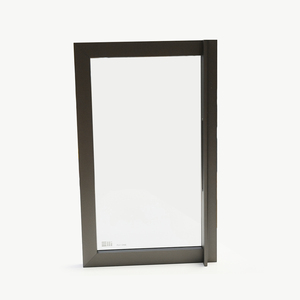
Italian Modern Look Elegant And Adaptable Design Aluminum Slim Frame Doors With Glass For Contemporary Kitchen
View Product Details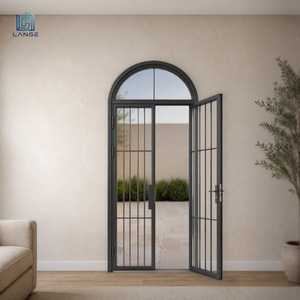
LANGE Modern Glass Arch Aluminum Doors Hurricane Proof Doule Glaze Swing Aluminum Arch Top French Door
View Product Details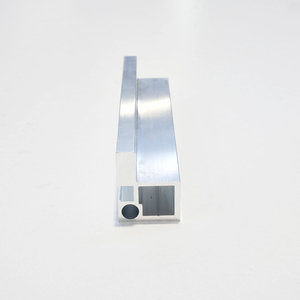
Excellent Durability Modern Look 4Mm Tempered Glass Italy Quality Aluminum Framed Kitchen Closet Cabinet Doors
View Product Details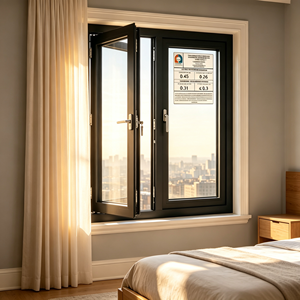
CHANGYI Aluminium Casement windows Factory Price Aluminum windows and Doors Simple Design Aluminum Casement Window System
View Product Details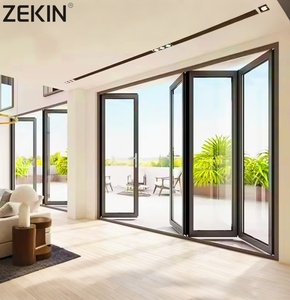
ZEKIN Black Hurricane Impact Proof Heat and Sound Insulation Aluminum Folding Door Double Tempered Glass Bi-fold Doors
View Product DetailsExecutive Technical Whitepaper: The Evolution of Architectural Aluminium Kitchen Doors
In modern architectural design and high-end residential engineering, the kitchen has evolved from a closed service room into a centralized, social, and culinary showcase. This paradigm shift demands interior fenestration solutions that harmonize spatial fluidity, acoustic insulation, grease barrier performance, and structural longevity. As a world-class premier manufacturer and direct exporter, our facility bridges the gap between high-volume manufacturing efficiency and tailor-made architectural precision.
Standard timber or low-grade steel doors frequently succumb to the high-humidity, grease-laden micro-climates typical of active residential and commercial kitchens. Timber swells, warps, and harbors bacterial growth, while raw steel is prone to oxidation and paint delamination over time. High-grade extruded 6063-T5/T6 aluminum alloy door systems engineered with specialized surface treatments (Qualicoat powder coating and fluorocarbon anodizing) deliver an unyielding structural backbone that remains unaffected by chemical cleaning agents, steam, and thermal fluctuations.
6063-T5/T6 Structural Alloys
Extruded architectural aluminum offering yield strength up to 210 MPa, guaranteeing zero deflection under heavy glass loads and constant daily cycles.
Acoustic Isolation (STC 32-45dB)
Engineered perimeter EPDM gaskets and double-glazed tempered laminated glass packages suppress airborne culinary noise and appliance hums.
Zero-VOC Hydrophobic Finishes
Qualicoat Class 2 electrostatically applied powder coatings and anti-fingerprint anodizing resist oil accumulation and simplify daily hygiene maintenance.
Enterprise Manufacturing Footprint & Global Export Credential
Spanning a massive 430,000 square foot state-of-the-art manufacturing campus, our factory integrates automated CNC profile cutting centers, double-head precision corner crimping machines, glass cutting/tempering lines, and dust-free cleanroom assembly bays. Operating with over two decades of dedicated fenestration expertise, our annual output exceeds millions of square feet, serving mega residential developments, luxury villa communities, multi-family housing complexes, and high-end commercial hospitality projects across North America, Europe, Australia, and the Middle East.
To ensure seamless communication and minimize risk for international buyers, developers, and trade contractors, we maintain active U.S. local sales and technical service centers in California and New Jersey. These hubs provide physical product inspection, sample consultation, hardware tactile evaluations, and rapid 48-hour turnarounds for complex architectural drawing reviews and site-coordination inquiries.
Technical Specification Benchmark: Commercial vs. Premium Residential Door Systems
| Engineering Criteria | Standard Commercial Grade | Premium Italian Ultra-Slim Series | Heavy-Duty Acoustic & Hurricane Series |
|---|---|---|---|
| Profile Alloy & Temper | 6063-T5 Extruded Aluminum | 6063-T6 High-Tensile Structural Alloy | 6061-T6 Heavy Structural Alloy |
| Sightline Frame Width | 45mm – 60mm Standard | 10mm – 16mm Ultra-Narrow Visible Frame | 38mm – 50mm Reinforced Profile |
| Glass Options (SGCC/IGCC) | 5mm Single Tempered / 5+6A+5 Double | 4mm-8mm Low-Iron SGCC Tempered Glass | 6mm+12A+6mm / Laminated Impact Glass |
| Anodizing / Coating Specs | AAMA 2603 Powder Coat (>30µm) | Qualicoat Class 2 Fluorocarbon (>60µm) | AAMA 2605 / PVDF 3-Coat System |
| Hardware Cycle Rating | 50,000 Cycles (Standard Hinges) | 150,000 Cycles (Hidden Concealed Pivots) | 200,000 Cycles (Heavy-Duty Soft-Close Rollers) |
| Acoustic Performance | STC 25 - 28 dB | STC 32 - 36 dB | STC 38 - 45 dB |
Future Procurement & Procurement Sourcing Trends (2025–2030)
Global supply chain officers, real estate developers, and architectural procurement specialists are radically updating their sourcing criteria for interior fenestration. Price per unit is no longer the sole decisive factor; instead, Total Cost of Ownership (TCO), life-cycle carbon footprint, architectural adaptability, and supply chain transparency dictate contract awards. Key structural trends shaping future procurement include:
1. Shift to Low-Carbon Recycled Aluminum
Institutional developers increasingly mandate post-consumer recycled aluminum content (>75%), reducing embodied carbon by up to 80% without sacrificing alloy structural integrity.
2. Ultra-Narrow Italian Sightline Systems
The demand for invisible architectural framing has surged. Profiles with visible frame borders under 12mm with concealed hydraulic hinges represent over 60% of modern luxury villa specifications.
3. Modular Pre-Assembled OEM Kits
To mitigate rising job-site labor costs in Western markets, procurement teams require "Plug-and-Play" pre-hung door systems and pre-mitered glass cabinet doors tagged by floor and room elevation.
Breakthrough Technological Innovations in Aluminium Fenestration
The convergence of material science, structural engineering, and smart manufacturing has revolutionized the performance capabilities of aluminium kitchen doors and cabinet glass fronts. Key engineering innovations pioneered by our R&D team include:
PA66 Nylon Thermal Break Integration: Traditional single-extrusion interior frames tend to transfer thermal energy between ambient kitchen environments and climate-controlled living zones. By inserting high-density Polyamide (PA66 GF25) thermal break strips between inner and outer extruded aluminum profiles, structural insulation is increased exponentially, drastically reducing condensation buildup during heavy boiling and cooking.
Magnetic Suspension & Soft-Close Damping Rollers: Sliding kitchen partition doors often fail at the roller mechanism due to oil vapor and dirt build-up in the floor tracks. Our next-generation systems utilize top-hung magnetic levitation tracks or sealed stainless-steel tandem rollers tested to withstand 150,000 soft-close operation cycles, completely eliminating bottom floor tracks to create a seamless flush threshold.
Smart Electrochromic (PDLC) Glass Integration: Modern open-concept kitchen designs benefit significantly from switchable smart glass paired with slim aluminum profiles. With an electrical current signal, glass transitions instantly from crystal-clear transparency to total privacy opacity, shielding living areas from unorganized cooking spaces at the touch of a button or smart home voice command.
Frequently Asked Questions (FAQ) for B2B Sourcing & Technical Specifiers
Why choose aluminum over wood or PVC for kitchen doors and cabinet frames?
Aluminum alloy (specifically 6063-T5/T6) offers superior dimensional stability, structural rigidity, and resistance to environmental degradation compared to wood or PVC. Kitchens present extreme micro-climates characterized by high humidity, ambient temperature spikes, steam, and airborne oils. Wood absorbs moisture, resulting in warping, swelling, sticking, and rot over time. PVC lacks structural frame strength, necessitating thick sightlines and degrading under prolonged UV/heat exposure. Aluminum profiles are non-hygroscopic, fire-retardant (Class A1), 100% insect-proof, and can be extruded into ultra-slim, modern sightlines while holding heavy safety glass loads.
Do your aluminum kitchen door systems comply with North American and European building codes?
Yes. Our product lines are engineered to meet and exceed global regulatory standards. Depending on the exact system specification, our products carry certification and laboratory test reports supporting NFRC (National Fenestration Rating Council), NAFS (North American Fenestration Standard), CSA, ENERGY STAR, Intertek, and European CE standards. For glass compliance, all toughened glass panels carry SGCC (Safety Glazing Certification Council) and EN 12150 stamps to guarantee thermal safety and impact fracture resistance.
What surface treatment is best suited for high-grease, high-moisture kitchen environments?
We strongly recommend Qualicoat Class 2 Architectural Powder Coating or Electrostatic Anodizing (>15–25 microns). Powder coating delivers an extensive color palette (including RAL custom matches and realistic wood grain textures) with hydrophobic properties that prevent grease absorption. Anodizing creates an integral ceramic-like metallic oxide layer that cannot peel, flake, or blister, making it extremely easy to clean with standard neutral degreasing agents.
How does your factory handle OEM, ODM, and private-label customization for overseas brands?
We operate a fully integrated OEM/ODM manufacturing division. We support custom profile die extrusions, specialized hardware branding/engraving, customized protective films, branded installation manuals, and private-label crating. Our engineering department works directly from your CAD/BIM drawings to produce prototype samples within 7–10 working days, followed by rigorous performance testing prior to mass production.
What measures are taken to prevent glass breakage and frame scratching during ocean freight transit?
Export packaging is a core competency. Every aluminum profile is wrapped in anti-scratch protective film and corner-guarded with reinforced heavy-duty plastic caps. Glass units are packed using cork separator pads and shock-absorbing EPDM strips. Assembled doors or KD (Knocked-Down) frames are enclosed in fully enclosed, IPPC-certified fumigated plywood crates with internal steel strapping to prevent movement during container transit and rough job-site handling.
Can I order complete door packages tagged by opening/elevation for direct job-site installation?
Absolutely. We offer complete "Project-Ready Packaging." Every individual unit and its corresponding hardware kit are labeled with clear, durable barcode tags corresponding to your architectural door schedule (e.g., "Building B - Floor 4 - Unit 402 Kitchen"). This eliminates site sorting confusion, reduces installer labor costs, and speeds up project commissioning.
Ready to Elevate Your Next Architectural Project?
Partner directly with China's top trusted aluminium fenestration manufacturer. Connect with our engineering directors today for detailed CAD shop drawings, wholesale price quotes, and complimentary sample kits.
Contact Us